
Learn how herd management works in version 1.0: fitness, selective harvests, and how to raise trophy quality over time.
Way of the Hunter 2 Herd Management Guide
Herd management in Way of the Hunter 2 version 1.0 comes down to one loop: raise the fitness of local herds so that each new generation grows better trophies. You do that with infrastructure work that restores habitats, removes pollution and clears invasive species, then harvest selectively, taking low-fitness mature animals and leaving high-potential young ones to breed.
- Fitness is the lever. Age and fitness drive the trophy star rating, so everything you do serves those two inputs.
- Ecosystem work raises the ceiling. Infrastructure improvements lift the fitness potential of local herds over time.
- Selective harvest shapes the herd. Remove mature animals with poor ratings and let promising young ones live to breed.
- The system is still growing. The developers confirm more herd management improvements are planned, and no official source publishes exact fitness numbers.
Fitness and fitness potential: the two stats that matter
Every animal you glass carries two related values: its current fitness and the fitness potential of its local herd. Fitness feeds directly into the trophy star rating alongside age. Two patches from 2026 pin this down: Update 0.3.2 on August 6, 2026 fixed all mallards being rated 1 star regardless of age, fitness or trophy score, and Update 0.4.1 on September 1, 2026 fixed ratings fluctuating unexpectedly as animals age plus Dall sheep rating too low relative to fitness and age. In short, the stars you see are computed from these inputs, not rolled at random.
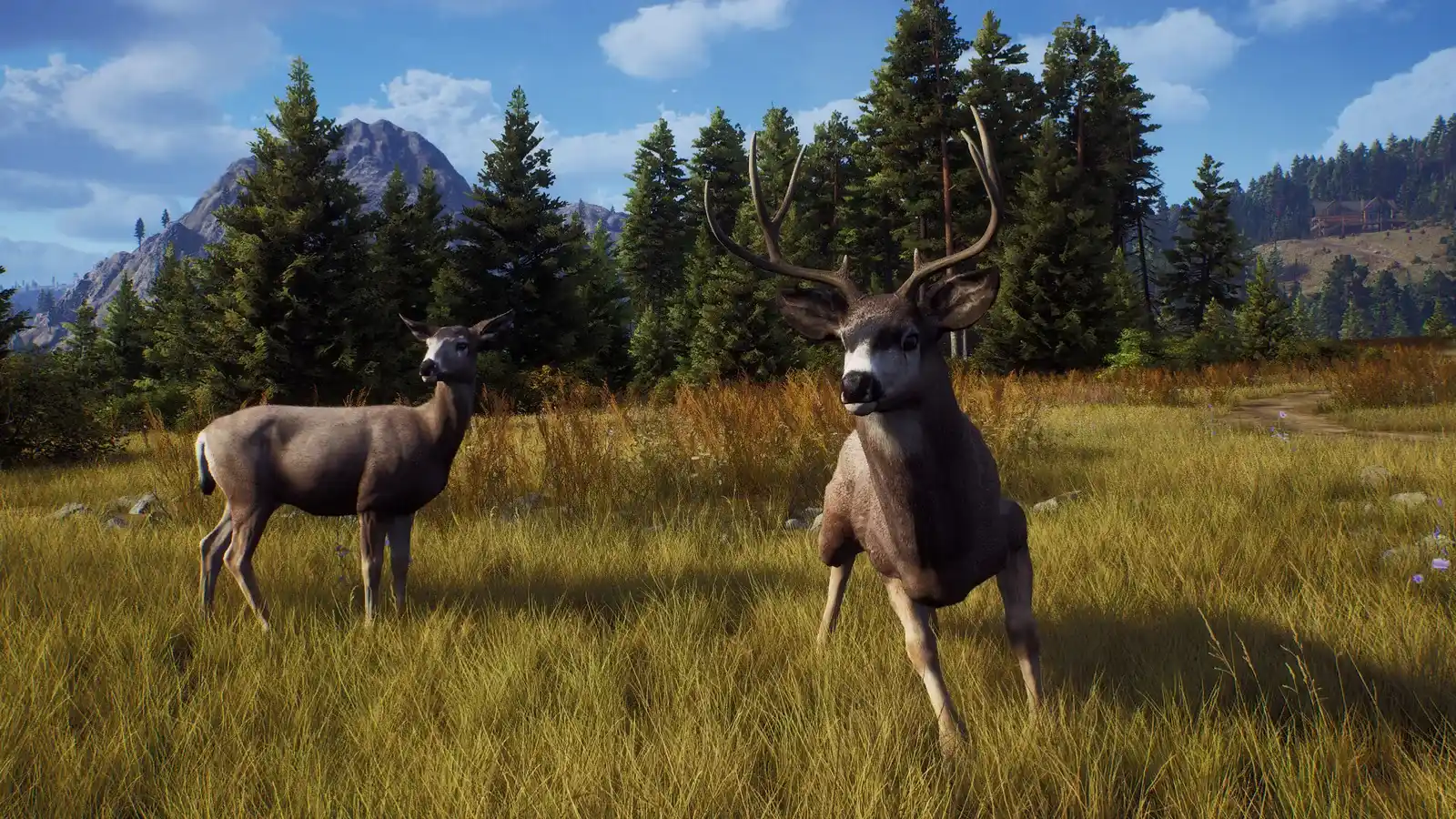
Potential is the ceiling your work raises. Update 2 on May 27, 2026 lifted base fitness across every species for better trophy distribution, with one catch that still traps players: the change applies to new saves only, so a herd on a pre-May save never received the bump. If your trophies skew low on an old save, that is the likelier cause, not bad luck. You can read both values before the shot: Update 0.1.0 on April 28, 2026 put trophy star ratings into the binocular animal analysis and estimated trophy ranges into the in-game encyclopedia, starting with Western moose measurements.
Official source: Way of the Hunter 2: FAQ — "We want to support herd management as much as possible. Several improvements have already been reworked, and we'll continue developing these systems based on player feedback."
Selective harvest: which animals to take
The practical loop starts with the binoculars, not the rifle. Glass the group, read the star rating and age class of each animal, and sort them into three buckets: mature animals with low stars, young animals with good readings, and the peak breeders you want to keep. Harvest from the first bucket. A mature 1-star or 2-star male eats the same habitat budget as a future 4-star, so removing it frees resources for animals with better genetics. Spare the young ones with strong readings even when they would make an easy kill today, because they are the breeding stock your future trophies come from.
Patience beats volume. Shooting everything that moves keeps a herd young and small-racked, which is the classic way players stall their own progress for dozens of hours. One clean kill on the right animal moves the herd further than five quick kills on whatever walked out first. Females generally stay out of the trophy equation, so focus culling decisions on males and leave breeding females alone unless a mission says otherwise.
The binocular analysis shows the star rating before the shot, so there is no reason to guess. Mark the lowest-rated mature male first, check what stands behind it, and only then set up. A rushed shot at an unidentified animal is how high-potential breeders die by accident.
Suppressors changed the math on follow-up shots. Update 1 on April 28, 2026 added suppressors that produce quieter shots, reduce animal alertness and stop nearby herds from spooking, which the announcement frames as enabling more controlled harvests and better follow-up opportunities. For herd work that means a second cull target in the same group is far more realistic than it was at launch. Calibre pairings and suppressor choices are covered in the ammo and suppressors guide.
Habitats, need zones and hunting pressure
Animals do not wander at random. Tracks are dynamically created between need zones, so a herd moves along routes that connect feeding, watering and resting areas, and spooked animals generate temporary dynamic tracks as they flee. Learn the need zones on your ground first: a trail that ends usually means the herd reached the zone it was heading for, not that the animals vanished. Your dog shortens this work considerably since it can search for animal signs and help locate active life zones, as detailed in the hunting tips guide.
Pressure matters because the simulation notices. The Update 1 announcement describes hunting grounds that grow more dynamic and sustainable over time as you shape them, which cuts both ways: steady, selective harvests on a restored habitat build the herd up, while hammering one zone without doing ecosystem work holds it down. Rotate across two or three zones instead of farming the same meadow every session, and give a heavily hunted area time to recover while you work another. Which species live on each map is listed in the full 28-animal roster, and zone layouts for the North American map are in the New Laurentia guide.
Ecosystem work: the infrastructure loop
This is the part most guides skip, and at 1.0 it is the highest-leverage action you can take. Update 1 lets players actively shape ecosystems through infrastructure improvements in the reserves: restoring damaged habitats, removing pollution and clearing invasive species. The announcement states directly that these efforts affect animal fitness and population potential. In herd management terms, that is a ceiling raise for every animal born in the improved area afterward.
Treat infrastructure as the first job on a new map, not a side activity for later. Restoring a habitat before you start serious culling means the young animals you spare grow up under a higher ceiling. The 1.0 launch materials list the same loop among the headline systems: infrastructure improvements that restore habitats, clear pollution and remove invasive species to raise the fitness potential of local herds. Pair this with selective harvest and the two systems multiply: better ground plus better breeding stock.
Official source: Way of the Hunter 2 first update in Early Access features ecosystem management, suppressors, and thermal optics — "Players can now actively shape ecosystems through infrastructure improvements in reserves, by restoring damaged habitats, removing pollution, and clearing invasive species. These efforts directly impact animal fitness and population potential."
What game 2 changed from game 1
Players coming from the original should reset one assumption. In the first game, trophies were largely built from preset variations, while in Way of the Hunter 2 trophies are procedurally generated by a genetics system, so no two racks are alike. An April 23, 2026 developer diary walks through the runtime antler generation, from subtle asymmetries to dramatic differences in size, shape and complexity. That changes what herd management optimizes: instead of rolling for a known preset rack, you are shifting the genetic distribution of a living population toward higher fitness, and the rack follows.
The management layer itself is mid-rebuild. The Early Access FAQ from March 2026 said several herd management improvements were already planned, and the 1.0 FAQ from September 28, 2026 updated that line to say several improvements have already been reworked, with more development driven by player feedback. Read that honestly: the tools you have today work, but the developers consider the system unfinished. Exact fitness thresholds, cull ratios and growth rates appear in no official source, so any guide quoting precise numbers is guessing. The developers publish changes through the Steam store page news hub and the official site, and those are the only figures worth building plans on.
What is still missing at 1.0
Two announced systems cap what herd management can achieve today. Non-typical mule deer trophies are still being added and polished, superior and mythical trophies are in development with no species list or dates, and the reworked hunt rating system that measures hunts beyond trophy size alone has not shipped. The full status of each tier is tracked in the trophies and ratings guide.
Non-typical, superior and mythical racks have no published drop rates, species lists or release windows, and Update 1.1 added none of them. Manage for high fitness and high star ratings today; the rare tiers become a goal once they actually ship.
One hard cap to know: mallards are locked to 1 star regardless of age, fitness or trophy score, so no amount of herd work changes duck trophies. Put waterfowl out of your mind when planning culls and focus on deer, elk, moose and the African herds where fitness has room to pay off. First-hour setup, money and ammo caps that affect every cull trip are covered in the beginner guide.
FAQ
How do I raise herd fitness in Way of the Hunter 2? Complete infrastructure improvements that restore habitats, remove pollution and clear invasive species, which raise the fitness potential of local herds. Then harvest selectively so high-potential animals survive to breed.
Which animals should I shoot for herd management? Mature males with low star ratings. Spare young animals with strong readings and peak breeders, since they carry the genetics your future trophies come from.
Do my hunting habits affect the herd? Yes. The simulation responds to how grounds are hunted and shaped over time, so rotate across zones and pair steady selective harvests with ecosystem work instead of farming one spot.
Does herd management work the same as in the first game? No. The first game used largely preset trophy variations; game 2 generates trophies procedurally through a genetics system, so management shifts the fitness distribution of a living population rather than unlocking known racks.
Why are all my trophies low on an old save? Saves created before Update 2 on May 27, 2026 never received the base fitness lift, which applied to new saves only. Starting fresh or focusing on restored habitats are the realistic fixes.
Related
More Way of the Hunter 2 Guides
How Way of the Hunter 2 trophies work: procedural generation vs presets in game 1, non-typical racks, what is still in development.
The best skills to unlock first, how to earn skill points, and which upgrades help tracking, stealth, and shooting.
How story missions and quests unlock, named missions to expect, and free hunt versus objective play.
Where to find whitetail deer, which map and habitats hold them, and the setup that produces clean kills.
Every animal in Way of the Hunter 2 v1.0: 15 species in New Laurentia and 13 in Kilimaya Reserve, plus the 2 species still under wraps.
Official answer on Way of the Hunter 2 crossplay: not in version 1.0. PC, PS5 and Xbox sessions are fully separate. What the dev says.
Way of the Hunter 2 tips that change results: reading tracks, wind, callers, waiting out weather, and using the dog to find wounded game.
Way of the Hunter 2 known issues after launch: the demo config fix for broken resolution settings, plus how to report a bug.